Contents
Shorten the trip by a day, and the AI deletes the one place you wanted most. That kind of ‘help’. Familiar?
01
Astra is a model, not another app you have to download
“ChatGPT Astra” sounds like a separate service. The formal name is GPT-6 Astra: ChatGPT is the product you use, and Astra is a model available within supported experiences. OpenAI positions it for demanding work involving multiple steps and tools. Official model guide.
The distinction matters. The model handles interpretation and judgment; browsing, opening a file or interacting with an application also requires tools and appropriate access. Selecting Astra does not mean it has read your inbox, can pay for something or controls your phone.
This is a consumer explanation, not an API tutorial. The everyday examples below are proposed uses and editorial analysis—not hands-on benchmark results or promises that every account already supports every feature. Information was checked on 7 September 2026. Availability, limits and interfaces can change.

02
The noticeable upgrade may come after the first answer
Listing ten attractions is the easy part of planning a trip. The frustrating part is checking station distance, Tuesday closures, whether children can manage the pace, and what must change when you choose another hotel. Much of the work happens between a plausible answer and a usable arrangement.
That is a useful way to assess Astra: not by asking for more text, but by seeing whether it preserves constraints and carries connected steps through a revision. Count what you still have to verify, reformat or finish because the required tool is unavailable.
If a three-day trip becomes a two-day trip, a good revision should do more than delete day three. It should reconsider transport, remove hotel choices that no longer make sense, explain the trade-offs and remember that you did not want early mornings. The difference becomes visible on the second and third revision.
03
Travel: ask for a resilient plan, not just an attractive itinerary
Provide dates, departure point, party size, walking limits, accommodation budget and existing bookings.
Ask it to separate facts you supplied, current information it found and assumptions still awaiting confirmation. That is more useful than “plan the best holiday,” because uncertainty does not disappear into fluent prose.
A useful deliverable includes daily sequencing, travel buffers, rain alternatives and official booking links. For an older traveller, specify tolerable walking time, stairs and rest needs rather than simply saying “senior-friendly.” Concrete constraints make the plan easier to evaluate.
Search access is not a completed booking. Availability, fares, payment and cancellation terms still need final confirmation on the provider's site. A restaurant recommendation is not evidence that the model has eaten there. Its useful role is organising interdependent choices, not guaranteeing a changing world.
04
Shopping: the useful part is explaining what you give up
A table full of specifications may not make a purchase easier. A lightweight laptop paired with a heavy charger can defeat your portability goal. More camera megapixels do not automatically mean better photographs of children, night scenes or video.
A better question is: “These are my three main uses, these two drawbacks are unacceptable, and my budget includes accessories. What would I give up with each choice?” Separate manufacturer specifications, independent tests and subjective preferences. Unknown battery life or durability should remain unknown.
If you only need to know whether a device has a headphone jack, ordinary search or a lighter model may be sufficient. Comparing weight, compatibility, warranty, total cost and usage—and revising the ranking when one constraint changes—is a more plausible reason to use Astra. A powerful model should not turn an easy decision into a complicated one.
Honestly, length doesn’t impress me much. I care whether one change creates ten things I have to repair.
05
Documents: finding contradictions can matter more than summarising
With supported tools, you can supply materials you are entitled to use and ask for a reviewable result. The official guide distinguishes ordinary Chat, Work and developer-oriented views; their purposes and tools are not identical. ChatGPT usage guide.
Useful everyday inputs include course brochures, a long manual or different versions of a tour itinerary. Instead of requesting only a summary, ask for conflicting dates, unclear charges and questions the documents do not answer, with page numbers or locations.
Two traps deserve attention: missed tables, scanned text or footnotes, and treating “not found” as “not present.” Ask which files were actually read and where uncertainty remains. For consequential contracts or financial decisions, this is reading assistance rather than professional verification.
06
Learning: it should reveal your gaps, not do the assignment for you
Understanding a displayed answer does not mean you can solve the next problem.
A better learning conversation begins with your attempt and identifies the exact step that failed. In mathematics, request the first hint rather than the complete solution. In language learning, ask it to preserve your meaning and explain changes in tone.
Request two explanations: an everyday analogy and then the formal definition. Explain the idea back in your own words and ask for gaps in the reasoning rather than encouragement alone. Judge the benefit by whether you can solve a new problem, not by the elegance of the original answer.
This approach does not assume infallibility. If an explanation conflicts with course material, compare the actual passage step by step. Confidence should not overrule the source. Citations, symbols and small conditions can change the result. Deeper help makes mistakes visible.
07
Messages: preserving your meaning matters more than sounding impressive
You may only want to decline an invitation, follow up a refund or tell a friend you cannot make it. The problem with many AI drafts is not grammar but invented commitments such as “any time is fine” or “I guarantee completion next week.”
Explain the relationship, situation, boundary and tone to avoid. Ask for three alternatives: brief and direct, warm but firm, and more formal. Check that every factual commitment came from you rather than being added to make the prose flow.
This need not use the strongest setting. A short message should not require a long wait and a five-hundred-word explanation. A letter involving several previous exchanges, unresolved issues and a consistent position may justify deeper work. Match the model to complexity, not the slogan.
08
Small tools and websites: know what finished means
OpenAI has published Astra demonstrations involving games and architectural visualisation. These are official examples, not guarantees that every beginner can reproduce the same result in one attempt. Official visualisation example.
A more practical starting point may be a trip-expense splitter, a reading tracker or a tool that organises your own information. Define inputs, outputs and data that must survive. An expense splitter needs payer identity, participation, refunds and rounding—not merely attractive buttons.
“Opens successfully” is not finished. Test normal input, blank input and an awkward example. If it works only in the current environment, ask how to save it, open it elsewhere and locate its data. That is not enterprise administration; it prevents starting again next week.
09
Doing things for you is different from deciding for you
Research, organisation and drafts usually leave room for review. Sending a message, confirming a booking, paying or deleting a file has different consequences. “Compare these” should not silently become “buy this,” and capability is not a reason to connect unrelated accounts.
The desktop documentation distinguishes approval-based permissions from full access, which carries greater risk. Official permissions guide. A practical boundary is to prepare options and drafts first, then verify recipients, content, amounts and outcomes before consequential actions.
For photo organisation, list likely duplicates before deleting an only original. For email, display the recipient and complete draft first. This is not about approving every trivial step; it is about catching expensive mistakes while they are still preventable. Convenience should not require ignorance about what happened.
10
Remembering this task is not remembering every conversation
Conversation continuity, personalisation and access to old records are different. The model documentation describes an experimental Codex context feature for notes and retrieval within the same task, not a promise to remember every conversation forever. Official context documentation.
The everyday test is whether a revision preserves unchanged constraints. Raising a travel budget does not remove an accessibility requirement. A good continuation keeps valid conditions while identifying decisions superseded by the update.
For a new task, do not assume every background detail transfers automatically. Restate essential facts or provide the latest document. Memory controls are also not interchangeable with retention or training controls. Treating them as one switch can create a false sense of certainty.
11
Against Claude and Gemini, what should you actually compare?
This article does not contain a controlled head-to-head test using equivalent accounts, tools, prompts and timing. It therefore cannot claim that Astra wins universally. The useful comparison is whether a task spanning research, files and actions stays coherent through revisions and leaves less manual finishing. That is a decision framework, not a leaderboard.
Claude also offers document, research and Cowork functions; producing documents is not unique to Astra. Gemini highlights connections to Gmail, Keep and Maps. If your information already lives there, reduced copying can be valuable. Claude features; Gemini app connections.
Use a troublesome task you understand, not a viral riddle. Supply equivalent materials and request the same deliverable. Compare omitted constraints, accessible sources, revision count and total time. A free account and a high-tier paid account are not an equivalent test, and a conversation without tools does not represent the entire service.
Astra may suit you better if you already use ChatGPT for complex tasks and it actually reduces hand-offs and rework. Gemini may be more convenient for information across Google apps. Claude deserves a comparison using the same document and desired output. The best choice is the one that needs less looking after, not the newest name.

12
Price and limits: a subscription does not mean unlimited tasks
At verification, official pricing lists Plus at US$20 monthly, Pro from US$100, and a US$200 tier. Work and Codex share usage; Astra consumption varies with task and settings. Availability still depends on the account and rollout. Official pricing and usage.
The consumer question is how many worthwhile tasks you actually have each week. Occasional short-message editing may not justify a higher tier. Frequent document work, complex travel revisions or personal tools may make additional capacity useful.
The strongest reasoning setting is not automatically the best value. Consider waiting, consumption and corrections together. If a lighter setting solves a straightforward problem clearly, more reasoning may add little. API token billing is a separate developer route, not the price of an ordinary ChatGPT subscription.
13
It can still be wrong—and look thoroughly convincing
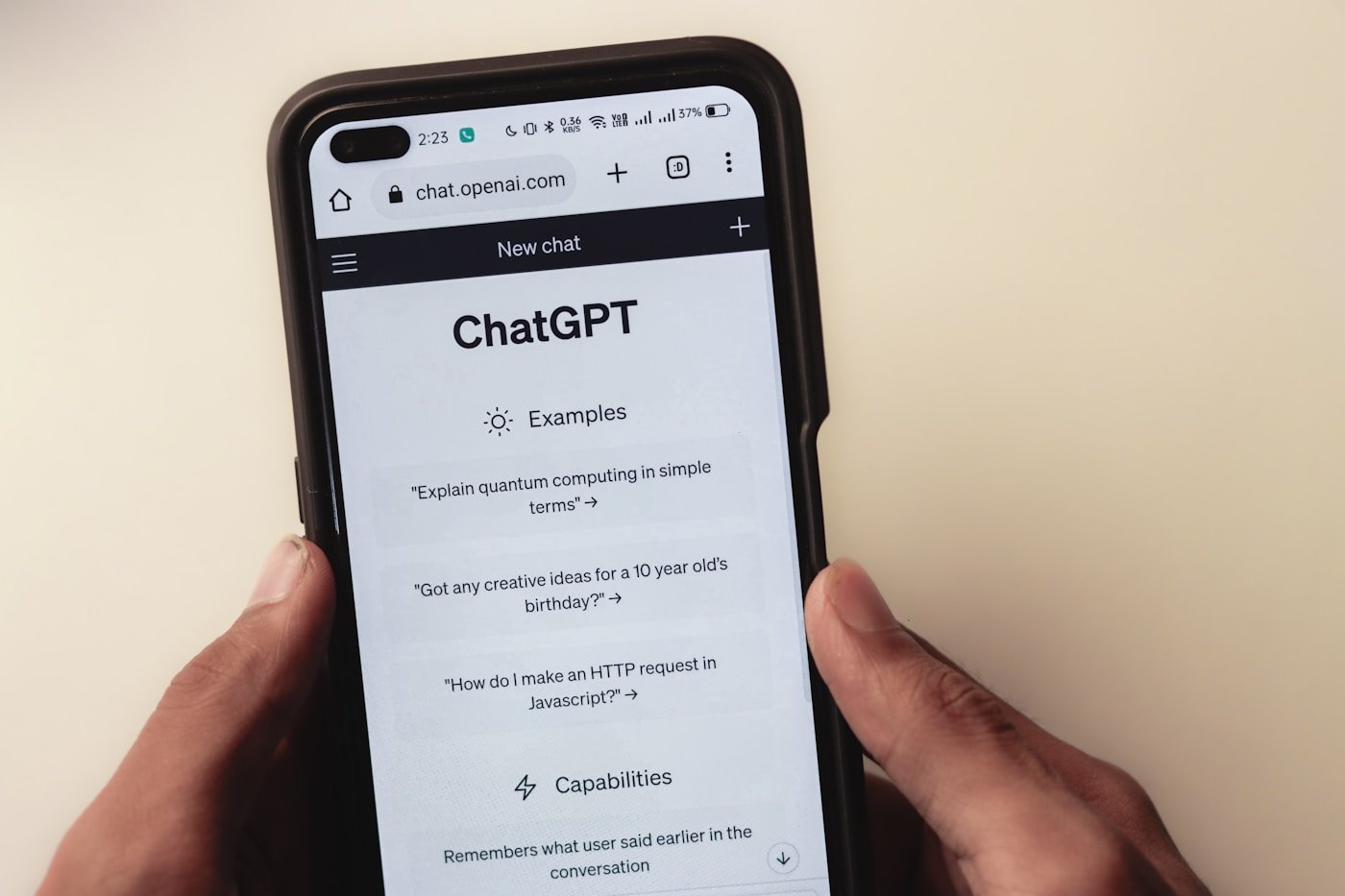
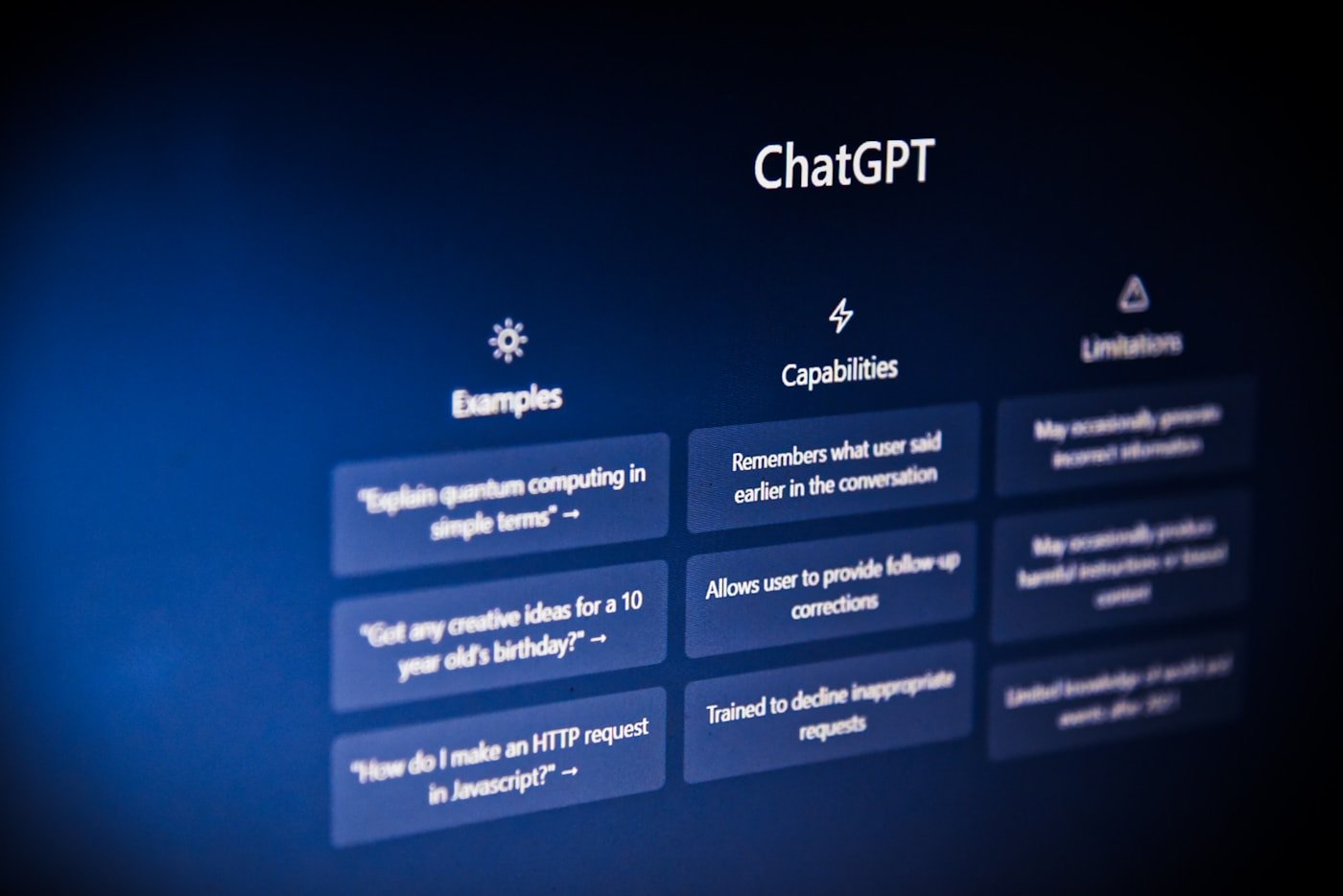
Headings, tables and citations can make an answer feel verified. A link may support only one sentence; a calculation may use the wrong unit; a picture may show an old interface. Complete formatting is not complete evidence. The photographs here show earlier ChatGPT interfaces or usage contexts, not proof of Astra's current UI.
Ask it to distinguish directly supported conclusions, inferences and unresolved points. Check original specifications for purchases, operating dates for travel and one simple calculation example. You need not repeat all the work, but the assumptions controlling the outcome deserve attention.
Avoid uploading unnecessary identity documents, complete banking details or other people's private messages. Remove irrelevant material and use settings you understand. For a deeply personal or consequential decision, AI can organise questions without becoming your only source of judgment.
14
The questions everyday users actually ask
Should I use Astra for everything?
No. For short questions, simple edits or fixed-answer lookups, speed and convenience may matter more. Complexity comes from interacting constraints, not word count alone.
Does Astra automatically mean better live voice?
No. Model selection and the voice experience are separate. The entry point, plan and system handling the live conversation can differ. Check your actual features rather than inferring every capability from a text-model name.
Why can my friend see it when I cannot?
Rollout, platform and plan can differ. Check equivalent entry points and settings. Missing access does not mean you should download a purported Astra installer from an unrelated site.
Do I need special prompting skills?
No magic formula is necessary. Explain the outcome, available information and constraints, then correct the parts that miss the point. Understanding your own needs is more useful than copying an elaborate role prompt.
When is it fair to say it is better?
When the same task under comparable conditions has fewer omissions, fewer corrections and a verifiable result at acceptable cost and waiting time. That is more meaningful than a score without task context.
15
Did you get more text, or one less troublesome thing to do?
The most useful AI need not astonish you every time. It should let you change a requirement without restating everything, acknowledge missing information and avoid pretending that unfinished work is complete. Those improvements are less dramatic than a perfect leaderboard score, but more noticeable in daily use.
Whether Astra is worthwhile comes down to an ordinary question: can you get on with life after the result, or must you spend longer taking care of the answer? If it reduces verification, copying and rework, it improves on your previous method. You do not need an adoption programme—just something you genuinely wanted to finish.
Impressive is nice. Less rework is a reason to keep using it.