On this page+
01 / SEO
SEM and SEO are not the same thing—and that is the useful bit
People ask for the SEM SEO difference as if there is a neat little line down the middle: paid on the left, free on the right, job done. In practice, the line is more like a wet market queue—there are signs, exceptions, impatient people and somebody always trying to jump ahead.
SEM usually refers to search-engine marketing, often used in Hong Kong course pages to mean paid search advertising such as Google Ads, while SEO refers to improving a site’s unpaid organic visibility. The labels are not perfectly consistent across schools and agencies, which is precisely why you should read the syllabus instead of trusting the module name. Google describes Ads training as learning paths for search, display, measurement, video and Shopping campaigns; Google’s SEO documentation describes crawling, indexing, useful pages and search appearance. Those are related skills, not identical jobs.
“SEM can buy you a seat at the table. SEO tries to make the table worth returning to.” — A practical distinction for students and working professionals

Use SEM when you need controlled reach now and can measure the economics. Use SEO when you want durable search visibility and are prepared to improve the website, content and technical foundations over time. Many real businesses need both—but not necessarily in equal amounts.
That last sentence matters. A start-up with a launch next Friday may need paid search before its organic pages have earned any authority. A mature local service business may be burning money on ads for queries it could own naturally. The answer is not ‘SEO is free’—it is not; labour, tools, development and patience are all invoices. The answer is to know what each channel is buying you.
02 / SEO
SEM vs SEO: the comparison table people actually need
| Question | SEM / paid search | SEO / organic search |
|---|---|---|
| How visibility is won | Bid, ad quality, relevance, landing-page experience, budget and account settings influence delivery. | Crawlability, indexation, relevance, usefulness, authority, site quality and user experience influence organic visibility. |
| When results can appear | Potentially quickly after approval, tracking and budget are in place. | Often slower; Google says changes can take hours to months and should be assessed over weeks, not overnight. |
| What you pay for | Media spend plus management, creative, landing pages and measurement work. | People, content, technical work, tools, links/PR and measurement; there is no organic click invoice, but the work is not free. |
| Control | More control over targeting, copy, budget, schedule and landing page, subject to platform policy and auction conditions. | Less direct control over ranking and snippets; more influence through site quality and clear information. |
| What happens when budget stops | Ads generally stop serving when the account stops spending or is limited. | Useful improvements can continue attracting impressions, but rankings and traffic are never guaranteed or permanently ‘owned’. |
| Best early use | Launch demand, urgent lead generation, testing offers and learning which queries convert. | Build a durable information and conversion asset, capture research demand and improve the site itself. |
| Common mistake | Treating every click as a lead and ignoring landing-page quality or search intent. | Publishing thin pages, stuffing keywords or expecting a certificate to create authority. |
SEM is not simply ‘SEO but faster’, and SEO is not ‘SEM without the bill’. Paid search is an auction and a measurement system. SEO is an information, product and technical quality system that happens to meet search engines along the way. Sometimes a paid keyword test teaches you what language customers actually use; sometimes organic demand tells you which paid terms deserve more budget.
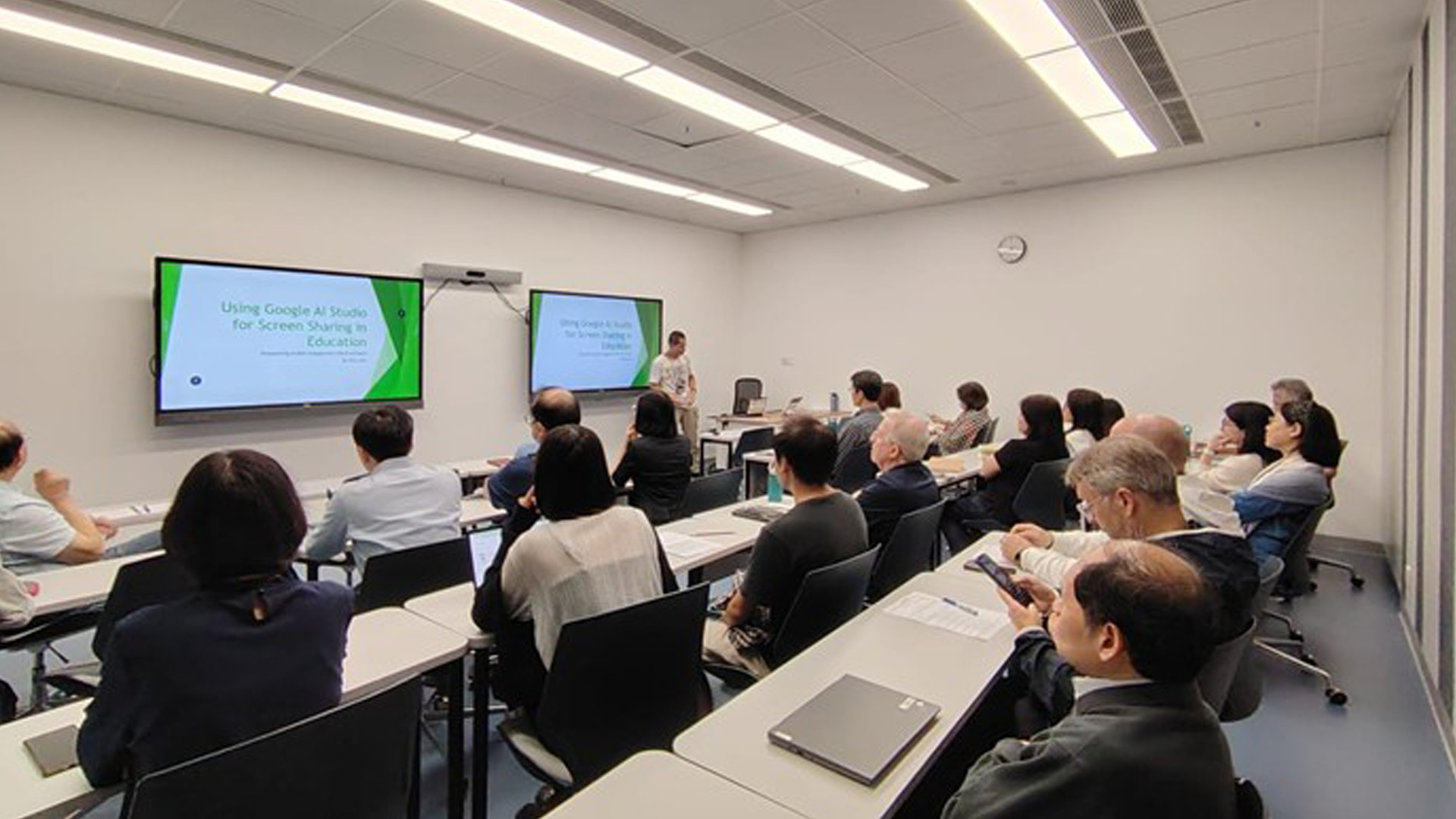
For a student, this distinction keeps your CV honest. ‘Google Ads campaign setup’ is not the same skill as ‘technical SEO audit’. For a working professional, it prevents the classic Monday-morning request: ‘Can you do SEO?’ when management actually means ‘Can you buy us more leads by Friday?’ Those are two different conversations.
03 / SEO
What does SEM include in Hong Kong practice?
In everyday Hong Kong agency language, SEM often means Google Search Ads and sometimes the wider paid-search ecosystem. A proper learner should know the difference between a query, a keyword, a match type, an ad group, a campaign, a landing page and a conversion event. If those words are all thrown into one bucket, the course is probably selling button familiarity rather than judgement.
| SEM skill | What a learner should practise | Evidence to keep |
|---|---|---|
| Intent and account structure | Group terms by the job the searcher is trying to complete, not by a random spreadsheet colour. | A campaign map explaining why each group has its own message and landing page. |
| Ad and asset writing | Write specific copy, test propositions and keep claims aligned with the destination page. | Two ad variants with a hypothesis, not just two sentences that ‘sound nicer’. |
| Bidding and budget | Understand spend, CPC, conversion rate, cost per lead, value and the limits of automated bidding. | A budget scenario showing what changes if conversion rate falls or lead quality changes. |
| Measurement | Set up and inspect conversions, search terms, assisted actions and lead quality. | A tracking checklist and a short explanation of what the dashboard cannot prove. |
| Landing-page fit | Match the page to the query, reduce friction and make the next action obvious without shouting. | A before/after page critique tied to query intent. |
| Policy and risk | Recognise restricted claims, misleading destinations, trademark issues and accidental waste. | A pre-launch review with decisions and unresolved questions. |
Google’s Skillshop guidance describes Google Ads training and certification paths built around strategy, product tactics, case studies and business scenarios. That makes it a sensible free foundation for SEM mechanics. It is not, however, a Hong Kong employment guarantee or proof that someone can manage a large account under pressure.
Do not stop at click-through rate. Ask whether the click produced the right enquiry, at a cost the business can live with, after sales follow-up and refunds are considered.
A course that celebrates low CPC without discussing lead quality is like praising a taxi for being cheap while ignoring where it dropped you off. Technically true. Not terribly useful.
04 / SEO
What does SEO include—and why it takes longer
Google’s SEO Starter Guide says there are no secrets that automatically rank a site first. The durable work is less cinematic: make pages discoverable, help search engines understand them, answer the searcher’s need, keep important information accurate and improve the site when evidence says it is weak.
| SEO area | Typical work | What a trustworthy course should not promise |
|---|---|---|
| Technical SEO | Crawl and index checks, canonicals, redirects, sitemaps, mobile performance, structured data and site architecture. | That one plugin setting will solve every ranking problem. |
| Content and intent | Map questions to pages, write useful copy, refresh stale information and make evidence visible. | A fixed word count or a pile of repeated keywords guarantees visibility. |
| Local SEO | Business information, local pages, reviews, photos, location relevance and enquiry paths. | Inventing locations or promising a permanent map position. |
| Authority and links | Earn relevant mentions, digital PR and useful references while avoiding link schemes. | Buying a suspicious volume of links and calling it a strategy. |
| Measurement | Search Console, analytics, rankings, conversions, revenue and qualitative sales feedback. | Treating impressions as money or ranking screenshots as business results. |
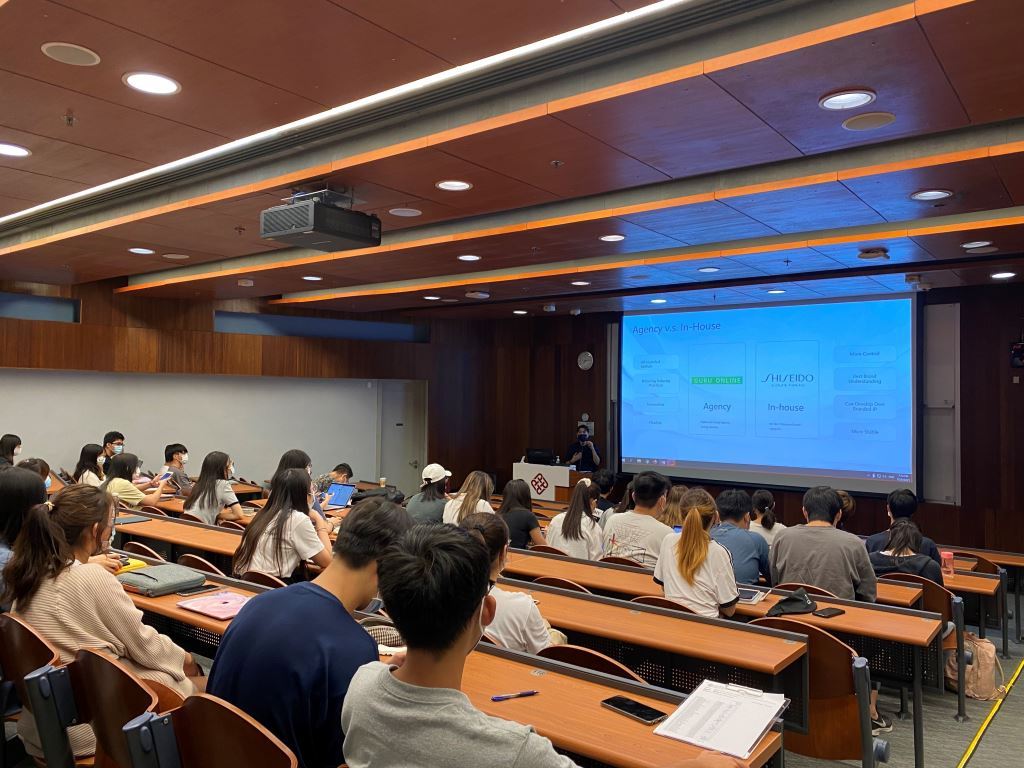
SEO takes longer because it changes the underlying asset. You are not only placing a message in front of a person; you are improving the page that should remain useful after the campaign budget is gone. That is why it can be slower, more technical and occasionally more annoying than buying an ad. The upside is that the work can compound—provided the page deserves to be found.
05 / SEO
When should a business use SEM, SEO, or both?
| Situation | First move | Why |
|---|---|---|
| New offer or event next month | SEM with a focused landing page and clean conversion tracking. | You need controlled reach while organic visibility is still unproven. |
| High-intent service with expensive clicks | SEO foundation plus carefully bounded SEM testing. | Organic pages may reduce dependency, while paid search covers valuable immediate demand. |
| Website has technical/indexing problems | Fix SEO foundations before scaling paid traffic; keep SEM only where the destination works. | Buying visitors to a broken or confusing page is a fast way to learn an expensive lesson. |
| Seasonal Hong Kong demand | Combine SEO content and local pages with SEM budget pulses around the season. | One channel captures existing demand; the other builds and protects the asset. |
| Small team with one marketer | Start with one measurable SEM test and one high-value SEO page, not twelve disconnected projects. | Focus creates evidence faster than a grand plan nobody can maintain. |
| Students or career switchers | Learn the shared fundamentals, then build one SEM case and one SEO audit. | Employers can see whether you understand both traffic acquisition and site quality. |
The cleanest way to compare the channels is to ask what happens after the click. If the page, offer and sales process are weak, neither SEM nor SEO can perform miracles. Search visibility is the front door; conversion, fulfilment and follow-up are the shop inside. Hong Kong customers are busy—if the door opens onto a maze, they will quietly leave.
Need speed
Use paid search when the timing is urgent and the economics are measurable.
Need an asset
Use SEO when the site needs better answers, structure and long-term discoverability.
Need evidence
Run a bounded paid test, then use the learning to sharpen organic pages.
Need restraint
Do not fund both channels broadly before one audience, offer and conversion path are clear.
Need trust
Report enquiries and revenue quality, not only traffic, clicks or screenshots.
06 / SEO
Trusted Hong Kong courses for SEM, SEO and wider digital marketing
| Route | Current public details at research cutoff | Best fit | Important limitation |
|---|---|---|---|
| HKPC Academy SEO course | Online vLearn; HK$100; about 56 minutes; Cantonese/Mandarin versions with Chinese/English subtitles; completion certificate; public syllabus includes SEO basics, keywords, on/off-page foundations, Analytics and Search Console. | Students and working professionals wanting a low-cost SEO orientation. | Too short to create a job-ready portfolio or deep SEM practice. |
| Form.Welkin Certificate in SEO | Six hours over two sessions; HK$1,200; Cantonese; Mong Kok; 80% attendance plus end test; next listed intake 26 Nov 2026. | Learners who want a compact classroom and a provider-issued certificate. | Do not describe it as QF or CEF unless official documentation says so. |
| AD-Linkage practical digital marketing certificate | 30 class hours plus a three-hour exam; half online/half in person; QF Level 4 registration; CEF course; SEO/GEO, AI content, Google/Meta ads and Analytics across ten units. | Working professionals wanting SEM plus SEO in one broader programme. | SEO and SEM are only part of a wide digital-marketing syllabus; subsidy depends on eligibility. |
| PolyU SPEED AI-driven digital and social marketing certificate | 84 hours; QF Level 4; current page lists HK$18,800 regular or HK$16,800 early bird by 12 Nov 2026; starts 12 Dec 2026; Cantonese with English support and English materials/assessment. | Career switchers or marketers who want a formal, broad qualification. | It is not a pure SEO or SEM specialist course; you are buying wider marketing and AI-search coverage. |
| HKU SPACE digital-marketing routes | Current pages include a 30-hour AI-driven growth-hacking module at HK$8,300 starting 3 Jan 2027, and a three-month Cantonese-supported analytics certificate listed at HK$6,950 starting 31 Oct 2026. | Working professionals who need analytics, growth and paid/organic context around a job. | Read the exact module scope; a digital-marketing course is not automatically an SEO certification. |
| Google Skillshop + Google Search Central | Free official learning for Google Ads paths and SEO fundamentals; self-directed and continuously updated. | Students testing whether search marketing suits them before paying tuition. | No Hong Kong classroom feedback, employer placement or guaranteed job outcome. |
The word ‘trusted’ needs a small fence around it. Provider identity, current course pages, published assessment and official QF/CEF references are useful trust signals; they are not proof that every lesson is excellent. CEF is a subsidy and reimbursement framework, not a universal teaching-quality badge. QF describes a qualification level, not whether you will become a capable practitioner by graduation.

For a student, begin with free official material and one small project before buying a large credential. For a working professional, compare class timing, assessment, language, software access, commute and the work you can show afterwards. A shiny certificate that never changes what you can do on Monday is an expensive bookmark.
07 / SEO
A practical 90-day path for students and working professionals
- Days 1–14: learn the mapRead Google’s SEO guide, complete a Google Ads learning path, and write down the difference between query, keyword, ad, landing page, organic result and conversion.
- Days 15–30: observe real searchesCompare Hong Kong Traditional Chinese and English result pages. Note the intent, ads, local results, page types, titles, offers and what you would expect the searcher to do next.
- Days 31–45: build one SEM exerciseCreate a mock campaign structure, keyword groups, ad variants, budget assumptions, negative-keyword list and conversion plan—without pretending a mock result is real.
- Days 46–65: build one SEO exerciseAudit one page for intent, title, headings, internal links, technical access, local relevance and conversion friction. Rewrite it and explain every major change.
- Days 66–80: measure honestlyCreate a simple report separating impressions, clicks, CPC, conversions, qualified leads, rankings and revenue. State what the data cannot prove.
- Days 81–90: ask for criticismShow the work to a lecturer, colleague or practitioner. Fix the confusing parts, publish the case study and record what you would test next.
What should be inside the portfolio?
One page should show your SEM thinking: audience, intent, structure, copy, budget and measurement. Another should show your SEO thinking: page diagnosis, technical checks, content changes, internal links and next steps. Add the context—industry, assumptions, date and limitations—because a screenshot without context is just a tiny rectangle of confidence.
If the campaign was simulated, label it simulated. If traffic increased for reasons you cannot isolate, say so. Honest assumptions make a beginner look more useful, not less.
Working professionals have one extra constraint: time. A four-hour evening course may be more valuable than an 84-hour programme if it leads to a real work sample and you can finish it. But if your goal is a career change, the longer structured route may earn its place because it creates deadlines, assessment and a peer group. There is no prize for choosing the heaviest timetable.
08 / SEO
Questions to ask before enrolling—and the final recommendation
- Does SEM mean Google Ads here?Ask whether the course covers Search Ads, display, Shopping, social ads or simply uses SEM as a loose synonym for all digital marketing.
- Does SEO include technical work?Look for crawlability, indexation, canonicals, redirects, site structure, Search Console and measurement—not only keywords and blog writing.
- Will I work on a real or sandbox account?Practical access is more revealing than a slide deck. Ask what data is available and what privacy restrictions apply.
- What will I submit?A campaign map, audit, dashboard, landing-page critique or final project gives you something to show an employer.
- What does the certificate actually say?Distinguish provider-issued, completion, QF registration and CEF reimbursement. Do not upgrade the wording yourself on LinkedIn.
- How current is the syllabus?Google Ads interfaces, AI search and measurement practices move. Ask for the revision date and examples from the current intake.
- Are rankings, traffic or leads guaranteed?If the answer is yes, slow down. Google itself does not promise a number-one organic ranking.
- What happens after class?Ask about feedback, repeat policy, recordings, office hours, community and the route to practise again.
FAQ: Is SEM better than SEO?
No. SEM is usually better for controlled, immediate demand; SEO is usually better for improving the long-term search asset. A business with a broken website can waste money on both. The right mix depends on urgency, margins, competition, website quality and follow-up.
Is SEM paid and SEO free?
SEM normally includes media spend, while SEO has no per-click media charge for organic results. SEO still costs money through people, content, development, tools, research and opportunity cost. Calling it free is a charming way to hide the invoice.
Which course should a student start with?
Start with Google’s free Ads learning and SEO documentation, then use HKPC or a compact classroom course if you need explanation and accountability. Build one small SEM case and one SEO audit before buying a formal qualification.
Which route suits a working professional?
Choose based on weekly time, language, assessment and how closely the projects resemble your work. HKU SPACE, AD-Linkage and PolyU SPEED may be worth comparing for broader digital-marketing progression; a short HKPC, Form.Welkin or free Google route may be the saner first step.
Do not choose between SEM and SEO by asking which acronym sounds more valuable. Ask what search problem you need to solve, what evidence you can produce, and whether the course teaches the work behind the label.
SEM gets you into the auction. SEO helps you build something worth finding. Learn both if your career points toward digital growth—but learn the difference first, otherwise every search problem starts looking like a button you have not clicked yet.
RESEARCH + CREDITS
Sources, course notes and image credits
- Google Search Central, SEO Starter Guide
- Google Ads Skillshop training guidance
- Google Ads Hong Kong
- HKPC Academy SEO course
- Form.Welkin SEO certificate
- AD-Linkage practical digital marketing certificate
- PolyU SPEED professional certificate
- HKU SPACE growth-hacking module
- HKU SPACE marketing analytics certificate
- CEF official FAQ
- Hong Kong Qualifications Register
Photo credits
- 01-hku-lecture.jpg — real classroom/workshop photograph from www.thestandard.com.hk. Direct image: original file.
- 02-uowhk-workshop.jpg — real classroom/workshop photograph from www.uowchk.edu.hk. Direct image: original file.
- 03-polyu-hkcc-seminar.jpg — real classroom/workshop photograph from www.hkcc-polyu.edu.hk. Direct image: original file.
- 04-digital-marketing-class.webp — real classroom/workshop photograph from ingoacademy.ntu.edu.tw. Direct image: original file.
Research current through 2026-09-15 UTC. Course fees, dates, subsidies, availability and syllabuses can change; verify the provider page before enrolling. SEM and SEO are used differently by different providers, so the article distinguishes official facts from practical interpretation. Image reuse rights remain with the original publishers or photographers. Course pages, dates, fees and subsidies can change. Verify the latest provider information and image-reuse terms before publication or enrolment.