01 / THE NUMBER
A rank number can be true and still mislead you
A tool tells you a page is sitting in position 5. You search the same phrase and see it at 8, or buried under a shopping row, a video carousel and an AI answer. Then Search Console reports an average position of 11.4. Which one is lying? Usually, none of them.
They are measuring different slices of the search page. A rank tracker is normally a controlled snapshot: one keyword, one location, one device, one language and one moment. Search Console is closer to what actually happened to your own site across real Google searches, but its position is an average and its rules change with the result type. A manual search is simply what one browser saw while you were holding your coffee.

The useful question is not just “Where am I?” It is “Which searcher saw which page, under what conditions, and did anything happen next?”
That distinction sounds fussy until you are writing a client report. A one-place movement can look dramatic in a spreadsheet, yet mean very little if the target was set to desktop Hong Kong and the searcher was on mobile in Kowloon, or if the result page had changed shape. Ranking is not one fixed ruler laid across the whole internet. It is a reading taken from a moving machine.
02 / MY ROUTINE CHANGED
I used to open Ahrefs and Semrush almost by reflex
For roughly six years, my normal keyword-ranking routine started with Ahrefs or Semrush. Open the project, check the movement, inspect the pages, then decide what needed attention. It became muscle memory — the SEO equivalent of checking the weather before leaving home.
I still use both. Let me say that plainly, because this is not a dramatic “all third-party tools are useless now” story. Ahrefs and Semrush remain extremely useful for finding topics, comparing competitors, building a keyword set and seeing opportunities before a page has enough of its own data. If I am planning a new Hong Kong service page, I do not wait three months for Search Console to invent the research for me.
What changed is the job I ask them to do. I used to treat the reported position as if it were the final verdict. Recently, with AI Overviews, Google AI Mode, Gemini-related search experiences and increasingly complicated result pages, I treat it as a directional signal. Helpful, often very helpful — but still a signal.
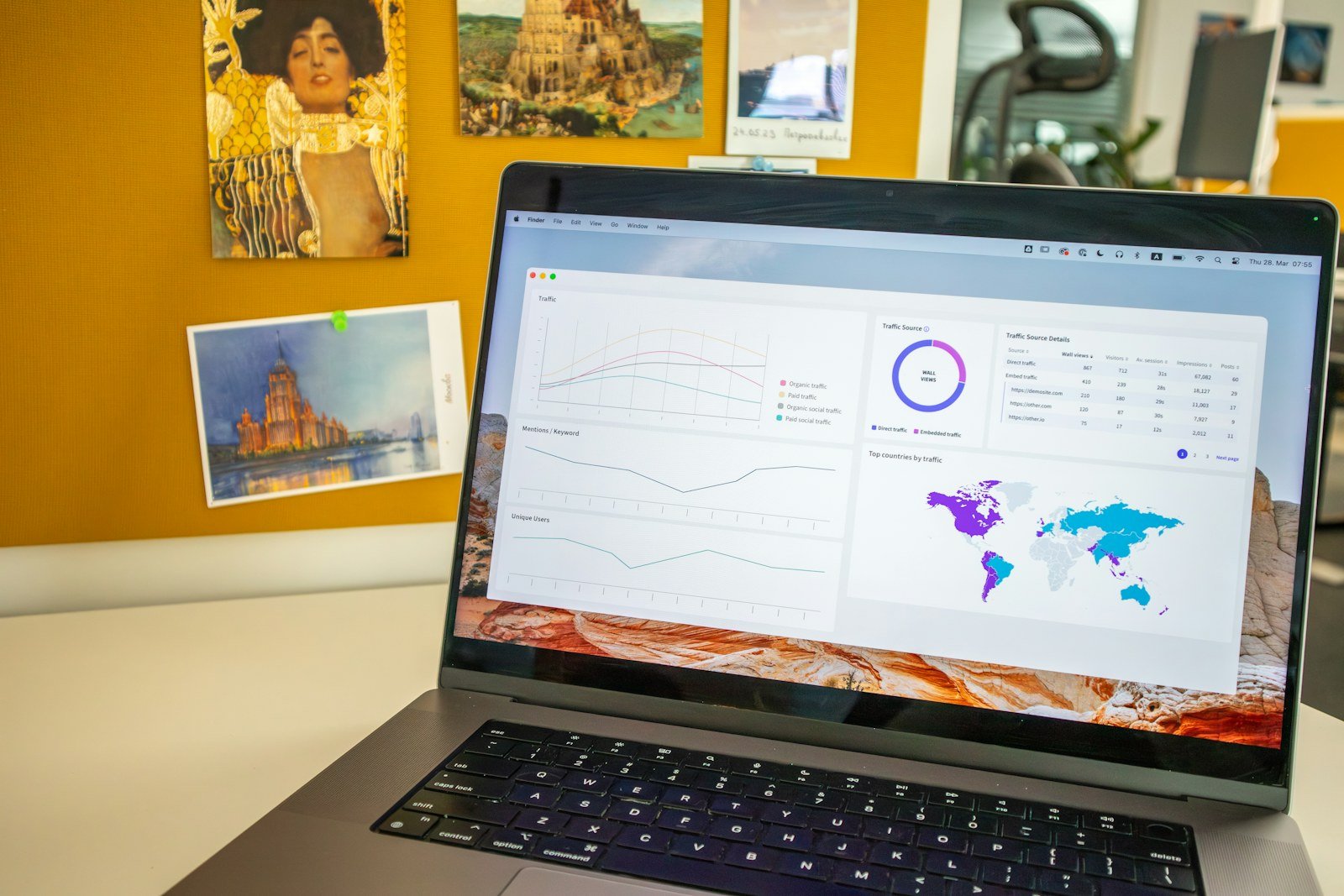
I have not stopped using Ahrefs or Semrush. I have stopped asking one tool to answer every question. That small change has made my reports less tidy, but much more honest.
03 / ASK THE RIGHT QUESTION
Before checking a number, decide what you want to know
The phrase “SEO rank checking” hides several different jobs. If you do not separate them, you can spend an afternoon comparing numbers that were never designed to match.
| The question | The better place to start | What the answer is really telling you |
|---|---|---|
| Can this topic bring opportunities? | Ahrefs or Semrush keyword research | Estimated demand, related terms, competitors and the shape of the current SERP. |
| Where does this fixed keyword appear under a controlled setup? | Ahrefs Rank Tracker or Semrush Position Tracking | A repeatable snapshot for a chosen location, device, language and search engine. |
| What did people actually search before reaching my site? | Search Console | Real queries, impressions, clicks, pages and countries connected to your property. |
| What do I see right now in one browser? | A manual Google search | A quick sanity check — not a universal ranking report. |
There is another small trap here: a “keyword” in a tracking project is not always the same thing as a query in Search Console. The project may contain the phrase you deliberately chose to monitor. Search Console may show a slightly different wording, a longer question, a typo, a brand variation or a query you never thought to target. That is not noise. Some of it is the market telling you what it actually says.
For that reason, I use third-party tools to build the map, then use Search Console to see where people are walking. One is planning; the other is evidence from the road.
04 / FIRST-PARTY EVIDENCE
Why Search Console is closer to the traffic you really receive
Google Search Console has a major advantage that no competitor tool can fully copy: it is connected to your own Google Search property. Its Performance report shows the queries, pages, countries and devices associated with how Google displayed your site, alongside impressions, clicks, click-through rate and average position.
That makes it the source I trust most when the question is not “What might rank?” but “What did Google actually show for my site, and what did searchers do afterwards?” If a page is receiving impressions for a phrase I never added to a tracking campaign, Search Console can reveal it. If mobile impressions rise while desktop stays flat, it can reveal that too. Ahrefs and Semrush can help me investigate; GSC is the place where I check the site’s own footprint.
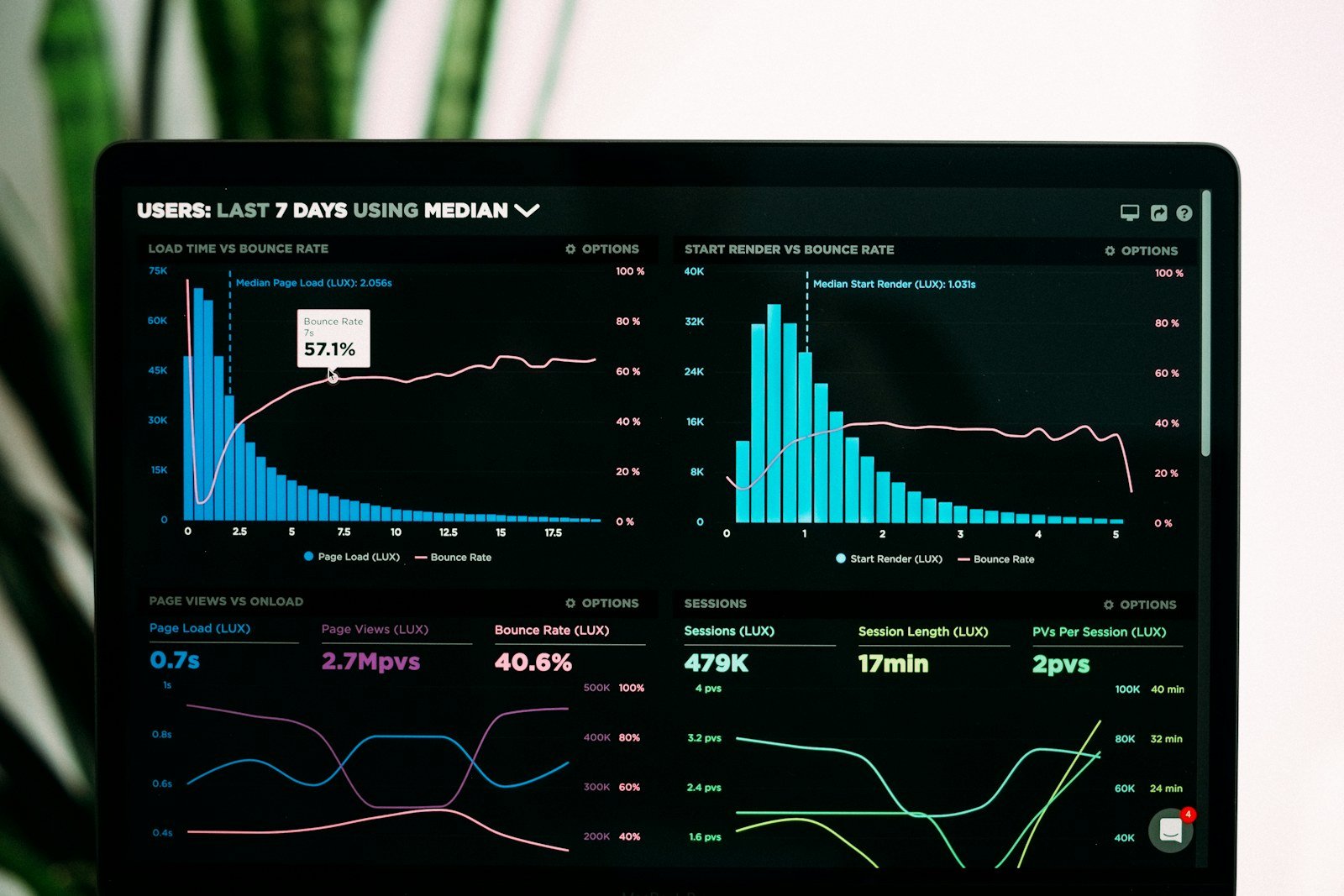
There is a useful Hong Kong habit here. When I review a local site, I do not look only at the overall property. I split the data by page, country, device and date range, then inspect the actual query wording. A page can have a respectable average position and still attract the wrong intent; another can sit lower on the page but bring the enquiries that matter.
05 / THE IMPORTANT CATCH
Search Console is better for reality, not necessarily for every ranking question
Trustworthy does not mean flawless. Search Console does not show every query in unlimited detail, and its average position is not a little label permanently attached to your page. Google assigns data to canonical URLs, groups result elements in particular ways and may omit or aggregate rows when data is limited. The interface is reporting a model of search activity, not handing you a raw video recording of every results page.
The position number can also look strange when one search element contains several links. Google explains that position is based on where a link appears within the results, while an AI Overview occupies one position and its links can be assigned that same position. That is useful for a consistent report, but it is not the same as saying every cited page was the fifth blue link.
I have seen people use GSC as a new kind of scoreboard, only to become frustrated when the average position moves from 7.8 to 9.2 while clicks are rising. In that situation, I would rather have the clicks. A ranking number that looks prettier but sends nobody through the door is a very expensive decoration.
- Use GSC for: your actual queries, impressions, clicks, landing pages, countries, devices and search performance trends.
- Do not use GSC alone for: competitor positions, a perfectly repeatable one-keyword snapshot, or the full demand estimate for a topic you have not published yet.
- Read average position with care: it is aggregated evidence, not a promise that every person saw the same order.
06 / THE SEARCH PAGE MOVED
AI Overviews changed the shape of the result page
The old mental picture of a search page was comfortable: ten blue links, perhaps an advertisement, and a number you could point at. That picture has been getting a little dusty. AI Overviews and AI Mode can answer a question with a generated summary, supporting links and follow-up exploration. Google’s own documentation says these experiences can use a query-fan-out approach, where one question is broken into related searches across subtopics and sources.
That matters when you check a rank. A single tracked phrase may trigger a normal result page today, an AI Overview tomorrow and a different mixture of images, videos, local results or shopping modules the next time. The page still has positions, but the visual and commercial meaning of a position is no longer as simple as it was.

There is one encouraging development. Google announced dedicated generative-AI performance reports in Search Console on 3 June 2026, and its announcement says the reports were rolled out to all websites worldwide by 31 August 2026. The new views can show impressions, pages, countries, devices and dates for visibility in generative AI features, while that data remains part of the overall Search performance picture.
So my own interpretation has changed: I no longer treat “position 3” in a third-party report as automatically equivalent to “third result seen by the person I care about.” I check the page, the query, the search appearance and, where available, the AI-feature data. It takes a few more minutes. It also prevents a lot of confident nonsense.
07 / A NECESSARY DISTINCTION
The crawler question needs a little untangling
You may have seen the idea that Google is trying to stop third-party tools from crawling Google, and that this is why Ahrefs or Semrush feel less exact. I understand the suspicion. The practical experience is real: search results are more dynamic, automated querying is not a friendly environment, and the numbers from different tools can drift apart. But I would not write that every mismatch proves Google deliberately blocked a particular tool.
There are two different crawling conversations being mixed together. Googlebot crawls websites so Google can build and refresh its Search index. Third-party rank trackers collect their own search-result observations. Google-Extended is another separate control: Google documents it as a publisher token for managing whether content crawled from a site may be used for training future Gemini models or for grounding in certain Gemini systems. Google also says Google-Extended does not affect a site’s inclusion in Search and is not a ranking signal.
That is not a switch that makes Ahrefs disappear from Google, and it does not explain every gap between a tool and Search Console. My working view is less dramatic and more useful: third-party tools are sampling a moving, localised and increasingly feature-heavy search environment. The sample can be excellent for comparison and trend spotting, but it is still a sample.
“The third-party tracker shows a controlled observation for the selected location and device. Search Console shows first-party impressions and clicks for the verified property. The two measurements are complementary, not interchangeable.”
08 / THE DIVISION OF LABOUR
Ahrefs, Semrush and Search Console should not be forced into the same job
After six years of using the tools, this is the division that makes the most sense to me now. It is less glamorous than declaring one winner, but SEO work is not a talent show.
| Tool | What I mainly use it for | What I do not pretend it proves |
|---|---|---|
| Ahrefs | Keyword discovery, competitor gaps, content opportunities and a controlled Rank Tracker project. | That every real searcher saw the same position, or that estimated demand equals future clicks. |
| Semrush | Position Tracking, reporting, competitor comparisons and visibility across a defined target set. | That a daily snapshot is the same as first-party traffic, especially when the SERP has AI features. |
| Search Console | Actual queries, impressions, clicks, pages, countries, devices and owned-site trend analysis. | Competitor rankings or the full opportunity size of a topic before my site has data. |
| Manual search | A quick check for obvious layout changes, wrong intent or an unexpectedly missing page. | A universal answer. One browser is one browser. |

Ahrefs currently documents a weekly default update for tracked keywords. Semrush says Position Tracking is generally updated daily within 24–48 hours and keeps daily results for a limited period before moving to weekly points. Those update schedules alone should stop us from comparing a weekly snapshot with a daily snapshot as if both were live instruments.
09 / MY CURRENT PROCESS
How I do a full ranking check now
Here is the routine I actually use. It is not complicated, but it does require resisting the urge to refresh a dashboard every twenty minutes — a temptation I know rather too well.
- Start with research. Use Ahrefs or Semrush to find related wording, estimated demand, competing pages, SERP features and the intent behind the search. This is where third-party databases earn their keep.
- Fix the tracking conditions. Set Hong Kong as the target market, choose the correct city when the project needs it, pick mobile or desktop deliberately, and record the language and search engine. A blank setting is still a setting — usually a bad one.
- Create a small, meaningful keyword set. Track the phrases that represent a page’s commercial or informational purpose. Do not throw every vaguely related phrase into the project and then act surprised when the report becomes soup.
- Build a baseline. Save the date, target URL, location, device and current SERP features. If the URL later changes because of canonicalisation or a site migration, keep that change visible.
- Use Search Console after the page has lived long enough to speak. Review 28-day and 90-day windows, then filter by page and inspect the actual queries. Look at impressions and clicks before you get hypnotised by average position.
- Check the AI layer separately. Review the generative-AI performance view when it is available in the property, and do not merge AI-feature impressions into a simple blue-link story.
- Spot-check manually. Search a small sample with the intended location and device in mind. I use this to catch an obviously wrong page or a dramatic SERP change, not to declare the universal truth.
- Make a change only when several signals agree. A page that gains impressions, attracts better queries, receives more relevant clicks and improves enquiries is healthier than a page that merely wins one pretty rank number.
If I am planning a fresh topic, I will still use keyword research before publishing. Once the page is live, the centre of gravity moves towards Search Console. That handover is the part many reports skip.
10 / THE DECISION
When should you change a page — and when should you leave it alone?
Do not rewrite a page because a single rank check looked ugly on a Tuesday morning. Search is too noisy for that kind of panic, especially around a core update, a new AI feature or a local result that changes the whole page layout.
| What you see | What I would investigate | Likely next move |
|---|---|---|
| Ahrefs or Semrush drops, but GSC clicks and impressions are steady. | Tracking location, device, search appearance and whether the monitored URL changed. | Do not rush to rewrite. Verify the setup and watch the trend. |
| GSC impressions rise, but clicks do not. | Title, snippet, intent match, SERP features and whether an AI summary answers the query before the click. | Improve the result preview and page usefulness; do not celebrate visibility alone. |
| GSC clicks rise while average position barely moves. | New long-tail queries, branded searches, richer appearances and page-level distribution. | Keep the page stable long enough to understand what actually grew. |
| All tools and GSC weaken for the same page over several weeks. | Intent, competing pages, internal links, technical access, content freshness and conversion quality. | Investigate the page as a system rather than changing one heading at random. |
The number I ultimately care about is not a rank. It is whether the right people can find the right page and then do something useful — read, call, submit, book, buy or at least remember the company. Ranking is a means of opening that door. It is not the room itself.
Use Ahrefs and Semrush to discover where the next door might be. Use Search Console to see who actually walked through yours.
11 / QUESTIONS I HEAR OFTEN
A few awkward questions are worth answering
Is Search Console always more accurate than Ahrefs or Semrush?
For your own Google organic performance, I trust Search Console first because it reports impressions and clicks connected to your property. I do not call it a perfect rank checker. It cannot tell you the complete competitor picture, and average position is not a fixed result number.
Why can Ahrefs say position 5 while Search Console says 10?
They may be using different locations, devices, languages, dates, URLs or result-type rules. Ahrefs may be showing a controlled snapshot, while Search Console is averaging the topmost position across actual impressions and assigning data to a canonical URL.
Should I stop paying for third-party tools?
No — not if you use them for the work they are good at. I would be giving up too much keyword discovery, competitor research and pre-publication planning. I simply would not use a tool estimate as the sole evidence that a page is winning.
How should I set up a Hong Kong ranking project?
Choose Hong Kong as the target country, set the city when local intent matters, separate mobile and desktop where the business needs it, and keep Traditional Chinese, English and Simplified Chinese queries in clear groups. Record the settings in the report; otherwise three months later nobody knows what the number meant.
How often should I check?
For an active campaign, a weekly review is normally enough for direction. Use daily data when diagnosing a known event, launch or volatility spike. Search Console is more useful when read across a meaningful 28-day or 90-day window than when refreshed like a stock ticker.
What should I do if the tools disagree?
Do not vote by majority. Ask which question each tool is answering, compare the conditions, then check the page-level Search Console data and business outcome. Disagreement is often a clue that you have mixed measurements, not proof that one vendor is incompetent.
SOURCES
Sources checked for this article
- Google Search Console Performance report
- Search Console clicks, impressions and position methodology
- Search Console generative AI performance reports
- AI features and your website
- Google common crawlers and Google-Extended
- Semrush Position Tracking
- Semrush Position Tracking update frequency
- Ahrefs tracked keywords
- Ahrefs Rank Tracker and Site Explorer keyword differences
Official Google, Ahrefs and Semrush documentation checked on 2026-10-02. Product interfaces, reporting rules and AI-search coverage can change, so keep the date and settings beside every exported ranking report.